

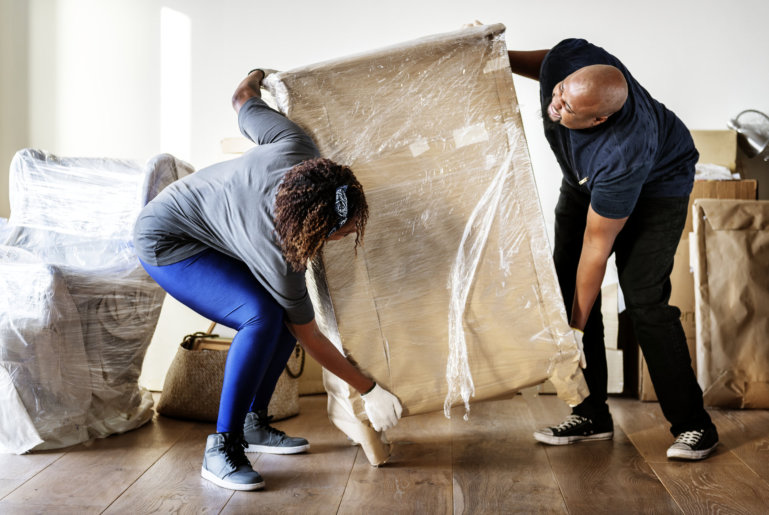
A property emergency can disrupt daily life within minutes. A burst pipe, storm, fire, or other unexpected event can affect flooring, walls, ceilings, furniture, personal belongings, and the structure itself. Content restoration provides property owners with a practical path to recover items that may still have value after damage. At Rabin Restoration & Remodeling, we understand that a home or business contains more than physical materials. Personal belongings often carry financial, practical, and sentimental value, so our restoration work focuses on careful assessment, proper handling, cleaning, drying, and recovery. Taking action after an emergency can reduce further damage and help bring order back to the property.
- Protecting Belongings After Property Damage
After a property emergency, damaged contents can face added risks from moisture, soot, odors, dirt, and unstable conditions. Items left in an affected area may become harder to recover as time passes. Our content restoration process begins with assessing the condition of belongings and identifying appropriate steps for cleaning, drying, deodorizing, packing, and storage. We treat each item with care and respect, keeping its condition and purpose in mind. From household furnishings to documents and other personal possessions, organized handling helps reduce confusion during a stressful period. This service can support the broader property recovery process by giving belongings focused attention rather than leaving them in an affected space.
- Reducing the Effects of Water and Fire
Water and fire incidents can create different challenges for personal property. Water can leave fabrics, wood, paper goods, and other materials damp, stained, or vulnerable to further deterioration. Fire can leave behind soot, smoke odors, and residue that affect surfaces and belongings. Our water and fire damage restoration services address conditions that can affect both the property and its contents. Smoke damage cleanup can help remove residue and persistent odors from appropriate items. Each recovery step is based on the material involved and the condition observed, helping us select suitable cleaning and drying methods for the belongings entrusted to our care.
- Supporting a Healthier Property Environment
Moisture can create conditions that support unwanted microbial growth, especially if affected areas remain damp. Mold remediation may become part of the restoration process when moisture remains present, and affected materials require attention. Content restoration can support this work by moving appropriate belongings away from impacted areas for cleaning, drying, or controlled storage. Separating contents from damaged spaces can make the overall recovery process more organized and can help protect items from continued exposure. Our team considers the relationship between the contents and the property itself, as successful recovery often requires attention to both.
- Preserving Structure and Function
Recovering belongings is one part of restoring a property. Floors, walls, ceilings, cabinets, and other building components may need separate attention after an emergency. Structural restoration repairs damaged building materials so the property can return to safe, practical use. Our approach integrates content recovery with property restoration, ensuring each part of the project receives appropriate attention. Items may need to be removed before certain repairs begin, then returned after the affected spaces are ready. This organized sequence can help reduce unnecessary handling and keep the project moving in a clear direction.
- Why Skilled Content Recovery Matters
Content restoration requires more than simply moving belongings from one room to another. Different materials respond differently to moisture, heat, soot, odor, and cleaning methods. Paper goods, textiles, wooden furnishings, electronics, and other possessions each require appropriate handling based on their condition. We document affected content, sort items by condition, and determine which cleaning or storage steps are appropriate. Careful organization can help property owners understand what is being addressed and what steps come next.
- Giving Valuable Possessions a Better Chance of Recovery
Belongings can represent years of work, family memories, and everyday routines. Damaged property can make items feel uncertain, yet many possessions may still be recoverable with proper handling. Our content restoration work gives attention to items that might otherwise be overlooked during building repairs. We assess contents according to visible condition and the type of exposure they experienced, then organize them for the next appropriate step. Packing and controlled storage can protect recovered items from additional exposure during the restoration project. Clear records can give property owners a better understanding of the items being handled and help keep the recovery process organized from the first assessment through the return of usable belongings.
- A More Organized Recovery Process
A property emergency can create uncertainty about where to begin. Bringing content restoration into the recovery plan gives belongings a defined place in the process. We work with property owners to assess affected contents, manage appropriate packing and storage, and coordinate recovery with needed repairs. Our restoration and remodeling experience allows us to view the property as a complete project rather than focusing on a single damaged area. This approach helps connect content care, cleaning, repairs, and rebuilding into a practical sequence.
When an emergency affects your property, early organization can make the recovery process easier to manage. Rabin Restoration & Remodeling is ready to help with content restoration, cleaning, drying, property recovery, and related restoration needs. We take responsibility for the work entrusted to us and treat your belongings with respect throughout the process. Contact our team to discuss the condition of your property and learn how we can help restore affected contents and spaces with care.
Leave a Reply